
Vincenzo’s making
The Florios of SicilyThis flow follows Vincenzo Florio’s formation from a fatherless boy into an ambitious, formidable heir who carries both the family’s enterprise and its injuries.
increasing Bearing strength in each event
 decreasing
Bearing strength in each eventdecreasingA father’s death
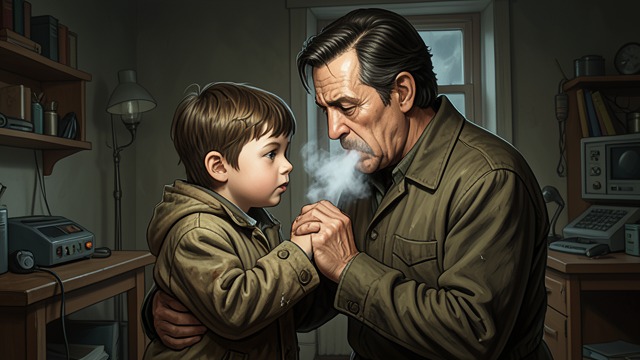
A father’s death
The final illness
As a child, Vincenzo Florio sees Paolo Florio suffer from a fatal chest illness. He senses the change before he can understand it and remembers the smell of disease and their last embrace.
A promise of care
After Paolo dies, Ignazio Florio assures Vincenzo that they are alone together. He assumes the duties of father and guardian as the boy’s world collapses.
The bereavement becomes the starting point of Vincenzo’s dependence on Ignazio and his eventual identification with the family business.
Rejection and ambition
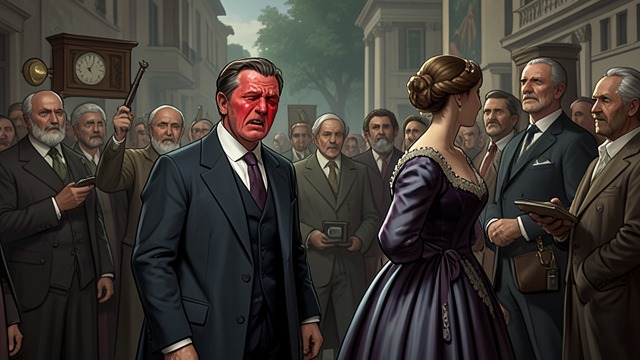
Rejection and ambition
A humiliating refusal
Vincenzo Florio falls in love with Isabella Pillitteri, but her mother rejects him as a laborer without aristocratic blood. The public humiliation follows him into adulthood.
A new measure of worth
Ignazio Florio sends Vincenzo to England, where he studies industrial methods and learns how machinery can transform production. Work becomes his answer to exclusion, while resentment sharpens his ambition.
The episode redirects longing into a lifelong pursuit of wealth and recognition, without resolving the wound that first provoked it.
Heir and patriarch
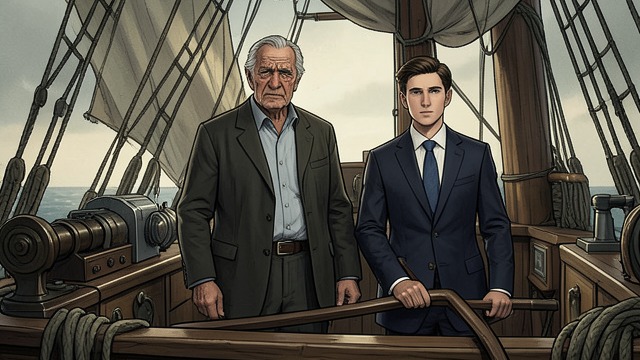
Heir and patriarch
Control at the center
After Ignazio Florio dies, Vincenzo inherits the company and expands it across shipping, sulfur, wine, foundries, and tuna. He equates control with survival and expects his son Ignazio to carry his ambitions forward.
The body imposes limits
A stroke in 1868 transfers leadership to his son. Vincenzo must confront dependence after a life built around command and relentless work.
His final dream reunites him with his father and uncle at sea, while Giulia Portalupi Florio remains the companion who witnessed both his triumphs and his failures.
1806 to 1807
1817 to 1818
1828 to 1868
